ProgramsAges 11–13
Foundations of Speech
The first real speech, and the confidence to give it
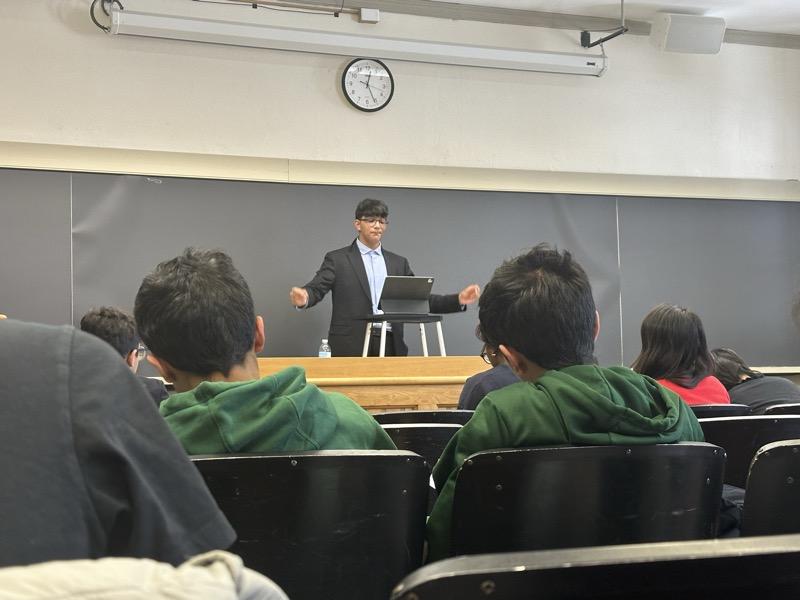
Foundations of Speech takes a student from "I would rather do anything than stand up and talk" to giving a clear, structured speech in front of a room. Each week is a live small-group class built around one skill: opening a speech, organizing ideas, using the voice and the body, and calming nerves before they take over. Students practice out loud in every session and finish the term delivering a short speech with real feedback, not a grade on a rubric.
- Level
- Beginner
- Ages
- 11–13
- Format
- Small-group online
- Schedule
- Weekly 75-minute live class
What students leave with
Outcomes
- Stand up and speak without freezing or rushing
- Open, structure, and close a short speech that an audience can follow
- Use pace, pause, and eye contact instead of reading from a script
- Turn nervous energy into something the speaker can use
- Give and take feedback the way real speakers do
Inside the term
What we cover
Beating the nerves
Practical tools for the racing heart and the shaky voice, used before every speech
Speech structure
A simple opening, three clear points, and a close the audience remembers
Voice and body
Pace, pause, volume, and eye contact: the delivery that carries a room
Telling a story
Using a real example or story so a speech connects instead of lists facts
Impromptu basics
Thinking on your feet: answering a question out loud without a script
The showcase speech
A short prepared speech delivered to the group with written feedback
A typical session
How a class runs
0:00
Warm-up
A quick, low-stakes speaking game so students are talking and laughing before any pressure starts.
0:12
Skill of the week
One idea taught directly, with the coach modeling it: how to open a speech, how to pause, how to structure three points.
0:30
Guided practice
Students try the skill in short turns while the coach coaches in the moment, so nobody is left performing cold.
0:55
Speak and feedback
Each student gives a short piece and leaves with one specific, encouraging thing to work on next week.
What is included
Every student gets
- Weekly 75-minute live small-group class, capped so every student speaks every time
- Written feedback after speaking sessions, focused on one improvement at a time
- A printable speech-prep pack: openers, structure planners, and delivery checklists
- A supportive group the same age and stage, not a lecture hall
- A coach who has spoken and competed at a high level, not a volunteer reading slides
Good to know
Questions about Foundations
My child is terrified of speaking. Is this the right place to start?
Yes, and it is the whole point of Foundations. The class is built for students who dread speaking. It starts with low-pressure games and short turns, not a speech on day one, and the group is small and the same age so nobody is performing for a crowd of strangers.
How old should my child be for Foundations?
Foundations is built for roughly ages 11 to 13. If your student is a little older but brand new to speaking, a free consultation will point you to the right class.
How big are the classes?
Small, and capped on purpose, so every student speaks in every session. Public speaking is a skill you build by doing it, not by watching.
What comes after Foundations?
Confident Speaker, where students move from a first speech to persuasion, storytelling, and speaking without notes. If you want help judging the fit, book a free consultation.
Free guides to go with it
Read these alongside the program, or just to get a head start on your own.
Next step: Confident Speaker
Foundations graduates often move into Confident Speaker. Book a free consultation and we will map the next step together.